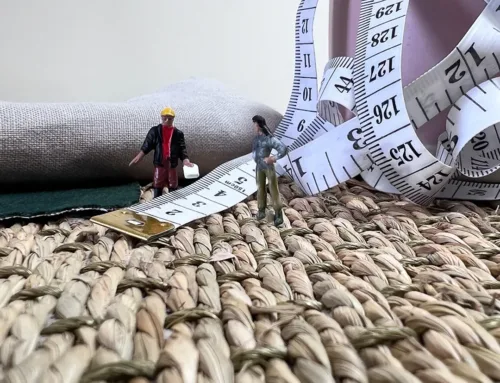
In this article we will be looking at how to measure for carpet yourself and tips and tricks from professionals on what to consider, and when it is necessary to hire a professional for carpet installation. By following a few simple steps and considering these essential tips, you can save both time and money while achieving a professional finish.

-
Necessary Tools:
Before you begin measuring, make sure you have the following tools handy:
- Tape measure (preferably a retractable one)
- Paper and pencil for note-taking
- Calculator (optional)
-
Measuring a Room:
Follow these steps:
a. Start by measuring the length and width of the room at its longest and widest points. Measure from wall to wall and remember that if the room has a door way you will have to measure into the doorway.
b. It is recommended to add 10 centimetres to each side of the room’s measurements to allow for cutting, tucking and any irregularities or mistakes during installation. This additional allowance will help ensure you don’t fall short of carpet.
c. Note down these measurements and multiply the length and width together to determine the total square meterage of the room.
-
Planning for Carpet Widths:
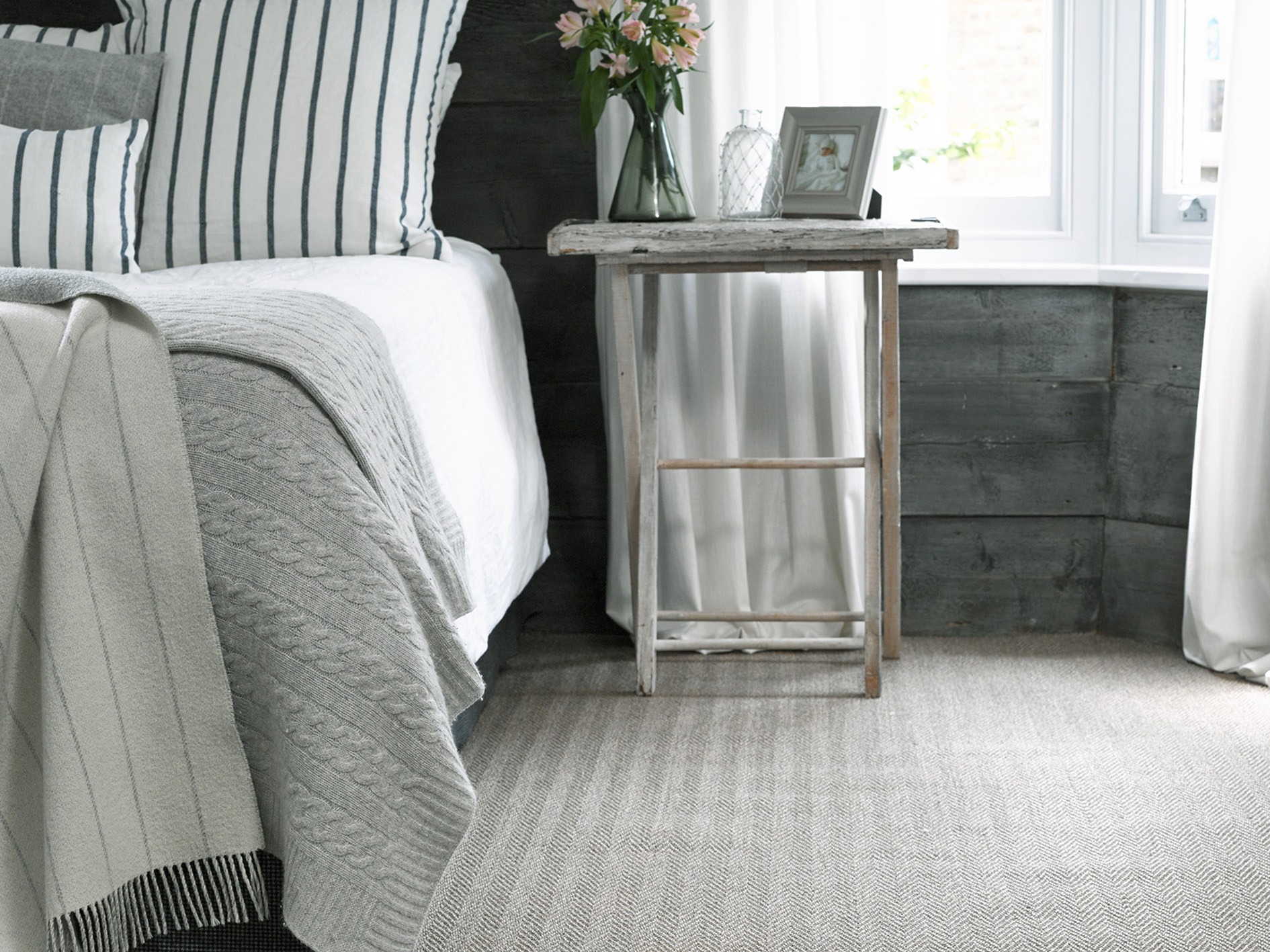
Standard carpets usually come in 4-meter (13 feet) and 5-meter (16 feet) widths. To optimize your carpet usage and save money, keep the following tips in mind:
- Determine the direction in which you want your carpet to run. Ideally, it should follow the longest dimension of the room for a more visually appealing appearance.
- However, there are exceptions to the above rule. The rule of thumb is that all carpets follow the same direction within the building (if carpet in a bedroom is facing West all carpets in the home should be facing that direction too). The importance of this is greater if carpet is laid in connecting rooms like a hallway and a bedroom for design continuity in the home.
- Further to this if there are stairs and landings involved, the direction should flow down the stairs following the direction of foot traffic and all rooms should be planned following the same direction as the stairs.
- If your room’s width exceeds the carpet width, try using the excess carpet offcuts for narrow spaces like hallways. This approach minimizes waste and reduces costs.
4. Avoiding Excessive Joining:
Minimizing the need for joining carpet pieces is crucial for achieving a flawless finish. Excessive joining can disrupt the visual flow and durability of the carpet. By measuring accurately and planning strategically, you can reduce the number of seams required and enhance the overall appearance of your carpeted space as well as potentially save on money.
A good example of when this may happen is in an L shaped room. Consider using one length of carpet to make the L shape and using the remnant for a hallway if you can.
5. Measuring Stairs for Carpet:

Measuring for fully fitted stairs or staircase runners requires a slightly different approach. Follow these steps for accurate measurements:
a. Measure the width and length of each tread (the horizontal surface) from the outer edges.
b. Measure the depth of each tread from the back to the front nosing.
c. Measure the height of each riser (the vertical surface) from the bottom edge of one tread to the bottom edge of the next.
d. Count the number of treads and risers to determine the total coverage area.
e. In the case that your stairs have winders we would suggest that the estimation may need a more professional eye. Which brings us on nicely to our next point.
6. Considering the height of underlay and carpet:
When measuring a room for carpet installation, it’s important to take into account the height of both the carpet underlay and the carpet itself. The thickness of the underlay can vary, and different carpet types have different pile heights. Failing to consider these factors may result in issues such as doors not being able to open or close properly once the carpet is installed.
To avoid potential problems, follow these additional steps:
a. Measure the height of the existing flooring, including any underlay or padding.
b. Consult the manufacturer’s specifications for the carpet and underlay you plan to use. Take note of their thickness or pile height measurements.
c. Ensure that there is enough clearance between the installed carpet and the bottom of the doors. If the new carpet’s height exceeds the clearance, you may need to adjust the doors by filing down the bottom edges.
Read more on our blog about Why Underlay Matters.
7. Hiring a Professional Estimator:
For precise measurements and to ensure a seamless carpet installation, hiring a professional estimator is always advised. They possess the expertise and experience to measure rooms accurately, taking into account factors like room shape, doorways, weave run direction and other architectural details. A professional estimator can help you avoid costly mistakes and ensure an optimal carpet fit, especially when the areas in question are not basic square shapes.
Conclusion:
Measuring a room accurately for carpet installation is essential for a successful and cost-effective project. By following the guidelines provided in this article, you can ensure that you have the correct measurements, consider carpet widths, minimize joins, and plan your project strategically. With careful planning and accurate measurements, you can transform your space with a beautifully installed carpet. Remember, hiring a professional estimator at the end will provide you with the most precise measurements and optimal
When considering natural carpets for your home we would always suggest using a fitter/estimator with experience in fitting sisal carpet and seagrass flooring as there may be other factors to consider (such as shrinkage) when planning an area for this type of flooring.
If you need help in finding an expert natural carpet fitter or estimator for your project please use our below form to request measurement or check out our carpet installation page to read more about the process. Alternatively we have a great blog on How to Replace Your Old Carpet.